Free Textures for Unreal Engine
Unreal Engine 5 delivers stunning visuals with Nanite and Lumen, but every material still starts with a good base texture. Texturize lets you generate seamless, tileable textures in your browser and download them as PNG files ready to import into any UE5 project. Every texture tiles perfectly because our procedural algorithms guarantee seamless edges — no visible seams when you set the texture addressing mode to Wrap.
Use the generated textures as Base Color inputs in the UE5 Material Editor. Combine them with a normal map from our Normal Map Generator to add surface detail that responds to Lumen’s global illumination. Download at 1024px, 2048px, or 4096px — all power-of-two sizes that UE5 handles efficiently with virtual texturing, texture streaming, and GPU compression.
All textures are procedurally generated and released under our royalty-free license, so you can use them in commercial games, cinematics, prototypes, and personal projects without attribution or licensing fees.
Recommended Generators for Unreal Engine
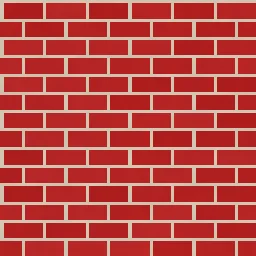
These generators produce textures commonly used in UE5 environments — architectural surfaces, terrain, and material layers for Nanite meshes.



How to Use Textures in Unreal Engine
Generate and download your texture
Pick a generator, adjust the controls until you like the result, then download as PNG. Choose 2048px for a good balance between quality and performance in UE5.
Import the texture into Unreal Engine
Drag the PNG file into the Content Browser or use File > Import. UE5 will create a Texture2D asset and automatically generate mipmaps.
Create a new Material
Right-click in the Content Browser and choose Material. Double-click the new Material asset to open the Material Editor graph.
Connect the texture to Base Color
Add a Texture Sample node (T + click in the graph), assign your imported texture, and connect the RGB output to the Base Color input on the Material Result node.
Set addressing mode to Wrap
Select the Texture Sample node and confirm the Sampler Source is set to Wrap in the Details panel. This ensures the texture repeats seamlessly across surfaces.
Adjust UV tiling
Add a TexCoord node and multiply it by a scalar parameter to control how many times the texture repeats. Start with a value of 2 and adjust to match your surface scale.
Add depth with Normal Maps
After generating your texture, run it through our Normal Map Generator to create a matching normal map. In UE5, add a second Texture Sample node in the Material Editor, assign the normal map, and connect it to the Normal input. Set the texture’s Compression Settings to Normalmap in the Texture Editor. This adds realistic surface bumps that respond to Lumen lighting without extra geometry.
Open Normal Map GeneratorUseful Tools for Unreal Engine Developers
Frequently Asked Questions
What texture sizes work best for Unreal Engine 5?
UE5 works best with power-of-two texture sizes: 1024x1024, 2048x2048, or 4096x4096 pixels. These sizes enable efficient GPU compression, mipmapping, and virtual texturing. For most environment surfaces, 2048px offers the best quality-to-memory ratio. Use 4096px for hero assets or surfaces viewed up close. Nanite meshes benefit from higher resolution textures since geometry detail can match texture detail. All Texturize downloads are available in these three sizes.
How do I create UE5 materials from these textures?
Import the texture into your Content Browser, then create a new Material. In the Material Editor, add a Texture Sample node, assign your texture, and connect the RGB output to the Base Color pin on the Material Result node. For PBR workflows, add a second Texture Sample with a normal map connected to the Normal pin. Adjust Roughness and Metallic with constant or texture inputs to complete the material.
Can I use these textures commercially in my Unreal Engine game?
Yes. All textures generated on Texturize are released under our royalty-free license. You can use them in commercial games, virtual production, architectural visualization, cinematics, and any other UE5 project without attribution or recurring fees.
How do I set up a complete PBR material in UE5?
Generate a diffuse texture from any generator, then create a matching normal map using the Normal Map Generator. In UE5, create a Material with two Texture Sample nodes — one for Base Color and one for Normal. Set the normal map texture’s Compression Settings to Normalmap. Add constant nodes for Roughness and Metallic, and connect everything to the corresponding pins on the Material Result node. Use a TexCoord node multiplied by a scalar parameter to control tiling across all texture inputs.
Ready to create textures for your Unreal Engine project?
Choose from 50 procedural generators and download seamless textures in seconds.