Fabric Textures for Unreal Engine
Browse 90 free seamless fabric textures optimized for Unreal Engine. Every texture downloads as PNG at 1024px, 2048px, or 4096px — power-of-two sizes that Unreal Engine handles efficiently with mipmapping and texture compression. All textures tile perfectly with no visible seams.
Fabric textures — denim, leather, woven cloth, carbon fiber, and scales — bring tactile realism to clothing, furniture, vehicle interiors, and any surface that should read as soft or woven. In Unreal Engine, import the PNG via the Content Browser and wire it as the Base Color input in the Material Editor — UE5 handles mipmapping and virtual texturing automatically. All textures are procedurally generated and released under our royalty-free license — free for personal and commercial projects with no attribution required.
Fabric Textures

Blue Tint Carbon Fiber

Classic Black Carbon Fiber
Copper Weave Carbon Fiber
Gold Herringbone Carbon Fiber

Green Racing Carbon Fiber

Matte Stealth Carbon Fiber

Purple Frost Carbon Fiber
Red Accent Carbon Fiber
Silver Weave Carbon Fiber
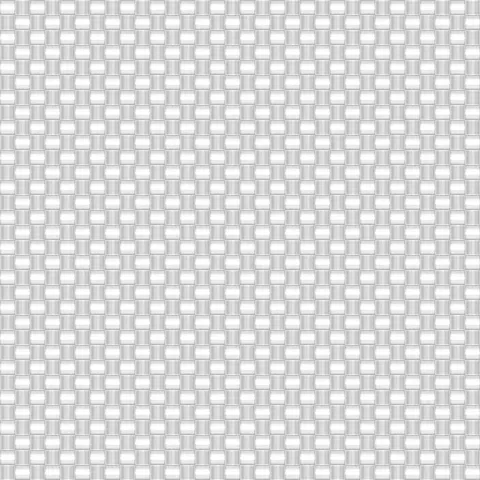
White Pearl Carbon Fiber
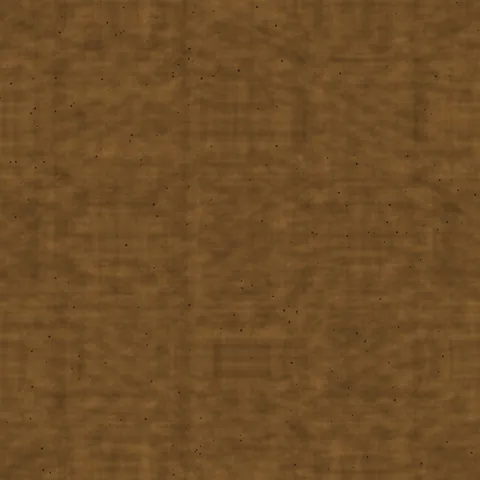
Bark Cork Cork
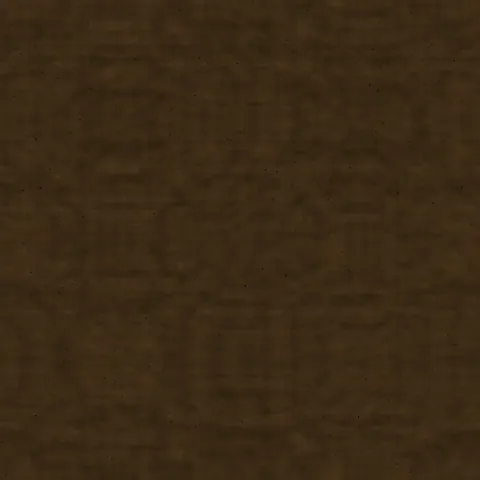
Burnt Cork Cork
Workflow in Unreal Engine
In Unreal Engine, most PBR textures pack three single-channel maps (AO, roughness, metallic) into one RGB texture called an ORM texture — this halves VRAM cost compared to shipping three separate maps. The engine's Material Editor expects this format by default. For terrain or large-surface materials, always use the LandscapeLayerCoords or WorldPosition-based UVs rather than direct UV coordinates, which keeps the pattern scale consistent regardless of polygon size. For mobile or Quest targets, stick to 1024-pixel textures compressed to ASTC — 4K textures blow the memory budget on lower-end devices even when they look identical after compression.
Quality notes for fabric textures
Fabric textures need to be tight enough that the weave reads. Extreme zoom reveals the underlying thread grid and breaks the illusion of continuous cloth. Target a UV scale that shows individual weave elements but keeps them small relative to the overall surface — typically threads should read at about 1 to 3 millimetres at expected viewing distance. Pair fabric textures with appropriate sheen values: matte fabrics like cotton at roughness 0.8+, silk or satin at roughness 0.2 to 0.4.
Unreal Engine × Fabric specifics
For cloth characters in Unreal, pair fabric textures with the engine's Chaos Cloth solver. The texture provides the static colour and pattern; Chaos Cloth drives real-time wrinkle geometry. For secondary cloth detail (collar stitching, button placement), use decal actors with small cutout fabric textures rather than modelling the detail.