Noise & Organic Textures for Unity
Browse 60 free seamless noise & organic textures optimized for Unity. Every texture downloads as PNG at 1024px, 2048px, or 4096px — power-of-two sizes that Unity handles efficiently with mipmapping and texture compression. All textures tile perfectly with no visible seams.
Noise and organic textures — cloud, grass, sand, terrain, and ice — serve as base layers, roughness masks, displacement maps, and organic ground cover for natural environments. In Unity, import the PNG into your Assets folder and assign it to the Albedo (Base Map) slot in a Lit (URP) or HDRP material — set the Wrap Mode to Repeat for seamless tiling. All textures are procedurally generated and released under our royalty-free license — free for personal and commercial projects with no attribution required.
Noise & Organic Textures

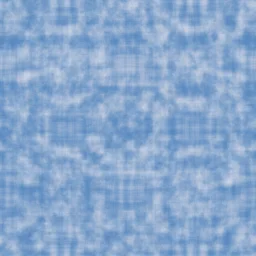
Cotton Candy Cloud
Cumulus Sky Cloud
Dawn Mist Cloud

High Altitude Cloud

Overcast Cloud

Stormy Dark Cloud

Thunderhead Cloud
Tropical Cumulus Cloud

Volcanic Ash Cloud

Wispy Cirrus Cloud
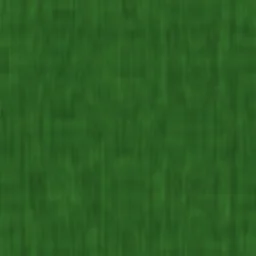
Autumn Grass Grass
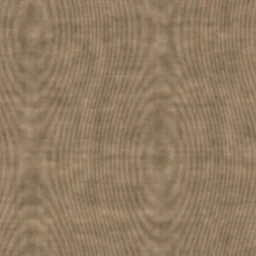
Bamboo Floor Grass
Workflow in Unity
In Unity, import any texture as sRGB for base colour maps and as linear for normal, roughness, metallic, and AO maps — the compression and colour space choices matter enormously for PBR accuracy. The Standard shader expects metallic intensity in the alpha channel of the metallic map, which is a common gotcha. For mobile targets, compress to ASTC (iOS and newer Android) or ETC2 (fallback) rather than shipping uncompressed PNGs; the visual difference is negligible and the VRAM savings are substantial. Scale each texture's UV tiling so that one tile covers about 1 to 2 metres of surface in-game, which keeps pixel density consistent across objects.
Quality notes for noise & organic textures
Noise and natural textures (cloud, grass, ice, sand, terrain) tolerate heavy tiling better than other categories because the human eye does not pattern-match on irregular noise. This makes them excellent for very large surfaces. For ground materials in 3D scenes, tile at three to ten repeats across the surface — this keeps detail readable at ground level without obvious seams. For sky materials, use a larger tile count to avoid visible repetition at wide viewing angles.
Unity × Noise & Organic specifics
Unity's terrain system uses noise textures as splatmap inputs that drive where grass, trees, and terrain layers appear. Our noise outputs import cleanly to the Paint Texture tool. For shader-driven noise effects, feed the texture into a Noise node in Shader Graph rather than recomputing noise in the fragment shader — sampling a pre-generated texture is dramatically cheaper than evaluating Perlin noise per pixel.