Noise & Organic Textures for Godot
Browse 60 free seamless noise & organic textures optimized for Godot. Every texture downloads as PNG at 1024px, 2048px, or 4096px — power-of-two sizes that Godot handles efficiently with mipmapping and texture compression. All textures tile perfectly with no visible seams.
Noise and organic textures — cloud, grass, sand, terrain, and ice — serve as base layers, roughness masks, displacement maps, and organic ground cover for natural environments. In Godot, import the PNG as a texture resource and apply it through a StandardMaterial3D or ShaderMaterial — set the UV repeat flags for seamless tiling across surfaces. All textures are procedurally generated and released under our royalty-free license — free for personal and commercial projects with no attribution required.
Noise & Organic Textures

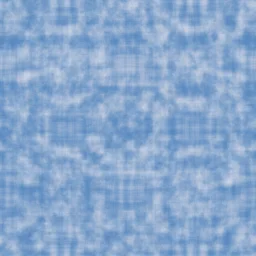
Cotton Candy Cloud
Cumulus Sky Cloud
Dawn Mist Cloud

High Altitude Cloud

Overcast Cloud

Stormy Dark Cloud

Thunderhead Cloud
Tropical Cumulus Cloud

Volcanic Ash Cloud

Wispy Cirrus Cloud

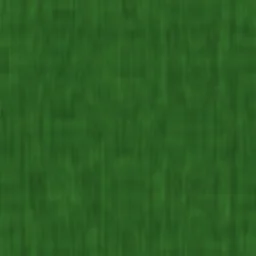
Autumn Grass Grass
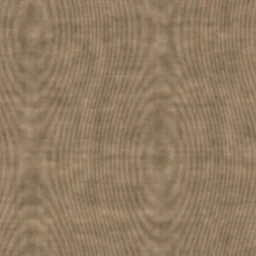
Bamboo Floor Grass
Workflow in Godot
In Godot, use the StandardMaterial3D's Albedo, Normal, Roughness, Metallic, and Height slots for standard PBR textures. Godot expects normal maps in OpenGL convention (Y-up) rather than DirectX (Y-down); many texture packs ship in DirectX convention and need the green channel inverted, which is a common source of wrong-looking normal maps. For translucent surfaces like ice or stained glass, use Transparency set to Alpha Scissor for sharp cutouts or Alpha for soft blending. The 2D engine also accepts these textures directly for backgrounds or sprites — they tile cleanly without needing extra repeat flags.
Quality notes for noise & organic textures
Noise and natural textures (cloud, grass, ice, sand, terrain) tolerate heavy tiling better than other categories because the human eye does not pattern-match on irregular noise. This makes them excellent for very large surfaces. For ground materials in 3D scenes, tile at three to ten repeats across the surface — this keeps detail readable at ground level without obvious seams. For sky materials, use a larger tile count to avoid visible repetition at wide viewing angles.
Godot × Noise & Organic specifics
Godot's built-in NoiseTexture2D resource can reference our pre-generated noise textures as inputs for procedural vegetation placement, terrain painting, and shader displacement. For terrain heightmaps, use the ImageTexture with raw float32 data for maximum precision — 8-bit noise textures introduce visible stepping at gentle slopes.