Fabric Textures for Unity
Browse 90 free seamless fabric textures optimized for Unity. Every texture downloads as PNG at 1024px, 2048px, or 4096px — power-of-two sizes that Unity handles efficiently with mipmapping and texture compression. All textures tile perfectly with no visible seams.
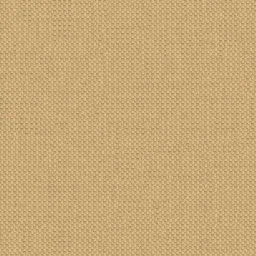
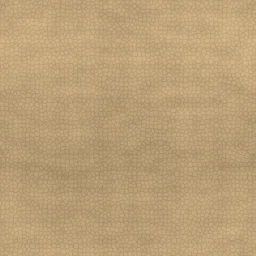
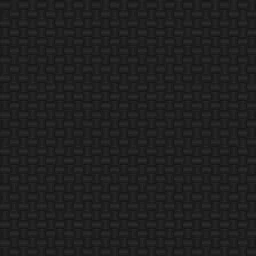
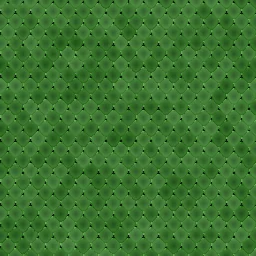
Fabric textures — denim, leather, woven cloth, carbon fiber, and scales — bring tactile realism to clothing, furniture, vehicle interiors, and any surface that should read as soft or woven. In Unity, import the PNG into your Assets folder and assign it to the Albedo (Base Map) slot in a Lit (URP) or HDRP material — set the Wrap Mode to Repeat for seamless tiling. All textures are procedurally generated and released under our royalty-free license — free for personal and commercial projects with no attribution required.
Fabric Textures

Blue Tint Carbon Fiber

Classic Black Carbon Fiber
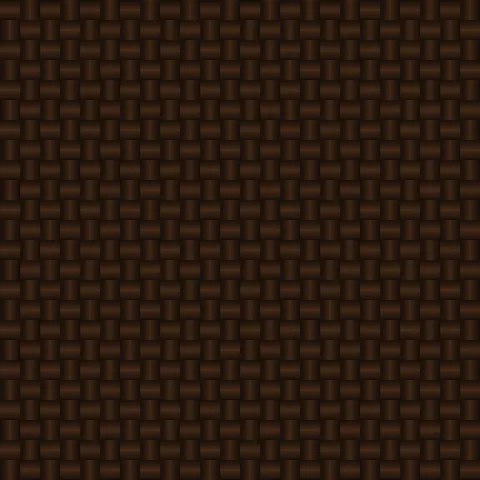
Copper Weave Carbon Fiber
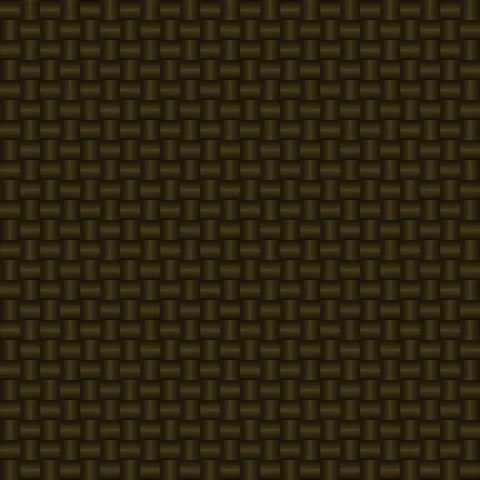
Gold Herringbone Carbon Fiber
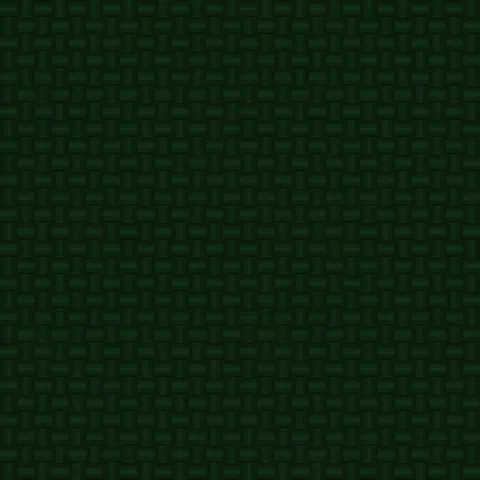
Green Racing Carbon Fiber

Matte Stealth Carbon Fiber

Purple Frost Carbon Fiber
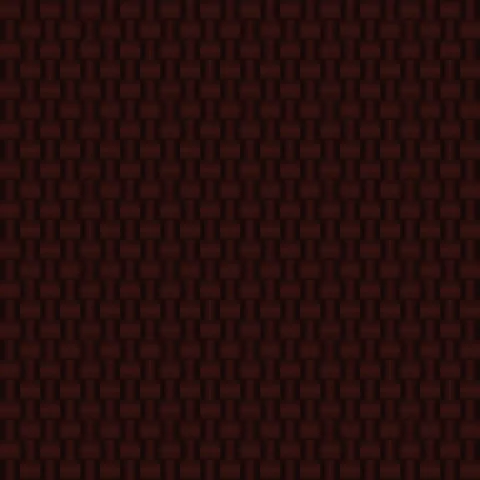
Red Accent Carbon Fiber
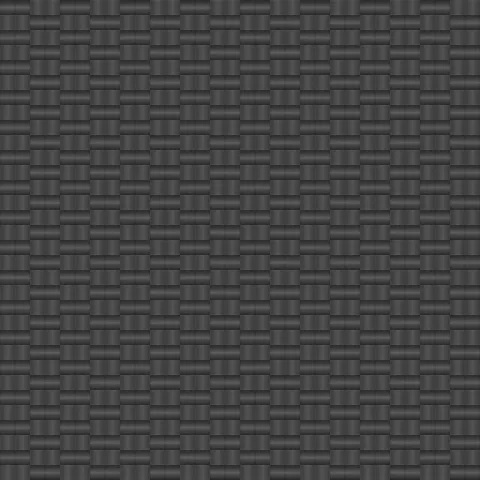
Silver Weave Carbon Fiber
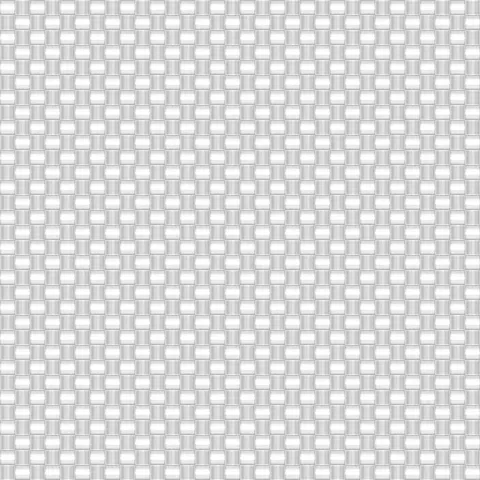
White Pearl Carbon Fiber
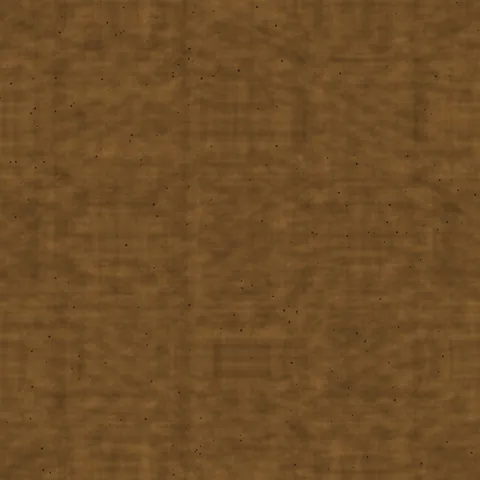
Bark Cork Cork
Burnt Cork Cork
Workflow in Unity
In Unity, import any texture as sRGB for base colour maps and as linear for normal, roughness, metallic, and AO maps — the compression and colour space choices matter enormously for PBR accuracy. The Standard shader expects metallic intensity in the alpha channel of the metallic map, which is a common gotcha. For mobile targets, compress to ASTC (iOS and newer Android) or ETC2 (fallback) rather than shipping uncompressed PNGs; the visual difference is negligible and the VRAM savings are substantial. Scale each texture's UV tiling so that one tile covers about 1 to 2 metres of surface in-game, which keeps pixel density consistent across objects.
Quality notes for fabric textures
Fabric textures need to be tight enough that the weave reads. Extreme zoom reveals the underlying thread grid and breaks the illusion of continuous cloth. Target a UV scale that shows individual weave elements but keeps them small relative to the overall surface — typically threads should read at about 1 to 3 millimetres at expected viewing distance. Pair fabric textures with appropriate sheen values: matte fabrics like cotton at roughness 0.8+, silk or satin at roughness 0.2 to 0.4.
Unity × Fabric specifics
For fabric textures on character models in Unity, consider using the Anisotropic extension of the shader if available in your project setup — fabric weaves produce directional highlights that isotropic shaders miss. If sticking with the Standard shader, keep roughness around 0.7 to 0.9 for cotton and wool, 0.3 to 0.5 for silk and satin.