Fabric Textures for Blender
Browse 90 free seamless fabric textures optimized for Blender. Every texture downloads as PNG at 1024px, 2048px, or 4096px — power-of-two sizes that Blender handles efficiently with mipmapping and texture compression. All textures tile perfectly with no visible seams.
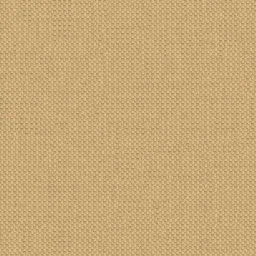
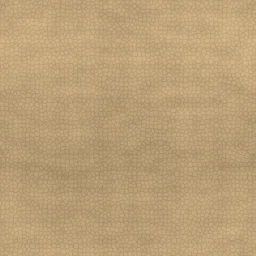
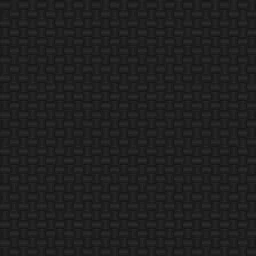
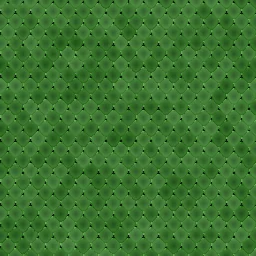
Fabric textures — denim, leather, woven cloth, carbon fiber, and scales — bring tactile realism to clothing, furniture, vehicle interiors, and any surface that should read as soft or woven. In Blender, load the PNG into an Image Texture node and connect its Color output to the Base Color input of a Principled BSDF shader — confirm Extension is set to Repeat. All textures are procedurally generated and released under our royalty-free license — free for personal and commercial projects with no attribution required.
Fabric Textures

Blue Tint Carbon Fiber

Classic Black Carbon Fiber
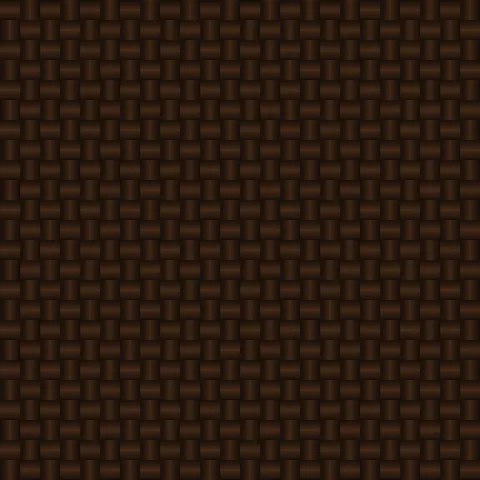
Copper Weave Carbon Fiber
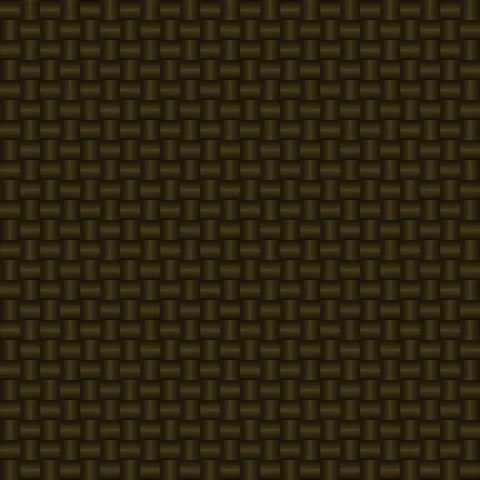
Gold Herringbone Carbon Fiber
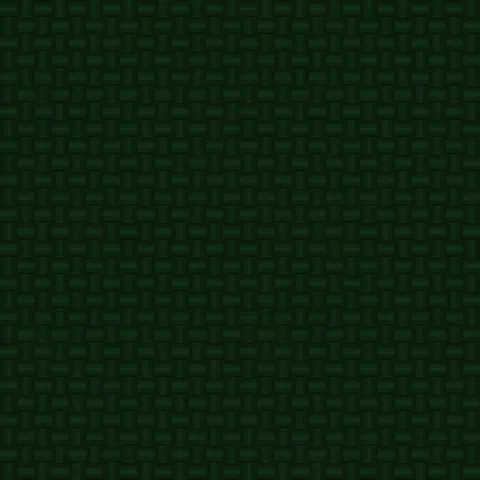
Green Racing Carbon Fiber

Matte Stealth Carbon Fiber

Purple Frost Carbon Fiber
Red Accent Carbon Fiber
Silver Weave Carbon Fiber
White Pearl Carbon Fiber
Bark Cork Cork
Burnt Cork Cork
Workflow in Blender
In Blender, drop each map into a Principled BSDF shader. Use the Image Texture node set to non-colour data for everything except the Base Color input — the colour management path otherwise double-gamma-corrects linear maps and produces washed-out results. For displacement, Cycles supports true displacement via the Material Output's Displacement socket, while EEVEE fakes it with a bump node. If the texture is meant to loom close to camera, bump up the node's Texture Coordinate to Object or UV with visible seams checked — Blender's default Generated coordinates can cause subtle distortion at mesh boundaries.
Quality notes for fabric textures
Fabric textures need to be tight enough that the weave reads. Extreme zoom reveals the underlying thread grid and breaks the illusion of continuous cloth. Target a UV scale that shows individual weave elements but keeps them small relative to the overall surface — typically threads should read at about 1 to 3 millimetres at expected viewing distance. Pair fabric textures with appropriate sheen values: matte fabrics like cotton at roughness 0.8+, silk or satin at roughness 0.2 to 0.4.
Blender × Fabric specifics
For cloth simulation in Blender, pair a fabric texture with the Cloth modifier and use a vertex group to amplify wrinkle areas. Apply the texture via UV projection with the scale matched to real fabric thread density (typically 1-3 mm per weave unit at render distance). The Subsurface Scattering setting in Principled BSDF adds the characteristic soft light transmission seen through thin cloth.